

Product Categories
- > Digital Textile Printer
-
- Fedar Sublimation Textile Printer
FEDAR FD61916E Sublimation Printer FEDAR FD1924 Sublimation Printer FEDAR FD1912S Sublimation Printer FEDAR FD61915E-A Sublimation Printer FEDAR FD5198E Sublimation Printer FEDAR FD51915E Sublimation Printer FEDAR FD53215E Sublimation Printer FEDAR FD61915E Sublimation Printer FD6198E 8 Heads Printer FD6194E 4 Heads Printer FD5194E 4 Heads Printer FD5328E 3.2m Printer FD5193E 3 Heads Printer FD5268E 2.6m Printer FD1900 2 Heads Printer
- Fedar DTF Printer
FD11308 DTF Printer FD1808 DTF Printer FDA3 Pro DTF Printer A3 DTF Printer FDA3 DTF Printer FD70-5 DTF Printer FD60 DTF Printer FD70-4 DTF Printer
- Aulane DTF Printer
Aulane AL2808 DTF Printer Aulane AL2606 DTF Printer Aulane AL2604 DTF Printer Aulane AL2602 DTF Printer Aulane AL2302 DTF Printer Aulane AL2301 DTF Printer
- Fedar Sublimation Textile Printer
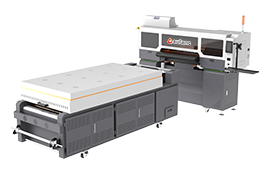
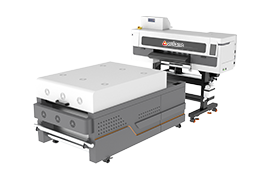
DTF Printer vs. UV DTF Printer: Which One Should You Choose?
2026-10-31Direct-to-Film (DTF) printing and UV DTF printing are two of the most talked-about technologies in the custom printing world today. Each serves different purposes, and selecting the right one can significantly impact your business's efficiency, profitability, and creative capabilities.
What is a Fedar DTF Printer?
A Fedar DTF printer uses a specialized film to transfer designs directly onto textiles. The process involves printing the design onto DTF film, applying adhesive powder, and then transferring it onto fabric using a heat press.
Advantages of Fedar DTF Printing:
* Versatility – works on a wide range of fabrics, including cotton, polyester, and blends.
* Durability – prints resist washing and stretching, ensuring long-lasting results.
* Cost-effective – lower initial investment compared to many other printing technologies.
* Vivid colors – produces bright, durable prints suitable for T-shirts, hoodies, and more.
A Fedar DTF printer is an ideal choice for businesses focused primarily on garment decoration and custom apparel.
What is a UV DTF Printer?
A UV DTF printer combines the DTF process with UV curing technology. Instead of using heat and adhesive powder, UV DTF uses UV light to instantly cure the ink, allowing for printing on hard surfaces such as glass, metal, plastics, and acrylic.
Advantages of UV DTF Printing:
* Wide material range – can print on an extensive variety of surfaces beyond fabrics.
* No pre-treatment needed – eliminates surface preparation steps.
* High-resolution prints – delivers detailed and precise output.
* Fast curing – UV light instantly cures the ink, speeding up production.
A UV DTF printer is the better option for businesses looking to diversify into hard-surface decoration, including promotional products, signage, and industrial applications.
Key Differences Between DTF and UV DTF
| Feature | Fedar DTF Printer | UV DTF Printer |
|---|---|---|
| Application range | Primarily fabrics | Textiles plus hard surfaces |
| Initial cost | More affordable | Higher investment, broader application |
| Ease of use | Requires adhesive powder and heat press | Uses UV light for curing, simpler process |
| Materials | Cotton, polyester, blends | Glass, metal, acrylic, plastics, fabrics |
Which One Should You Choose?
The decision between a Fedar DTF printer and a UV DTF printer depends on your business goals, project types, and budget.
* Choose a Fedar DTF printer if your focus is garment printing – it is cost-effective, versatile across fabrics, and produces durable, vibrant results.
* Choose a UV DTF printer if you aim to diversify into hard-surface printing, including promotional items, glassware, metal products, and acrylic displays.
Conclusion
Both DTF and UV DTF technologies have unique strengths. Assess your production requirements and long-term business strategy to select the printer that aligns best with your needs. Whether you prioritize fabric versatility with a Fedar DTF printer or material diversity with a UV DTF printer, making an informed decision will set you on the path to stunning, profitable custom prints.
For businesses ready to invest, Fedar offers a range of reliable Fedar DTF printers designed to meet the demands of modern custom printing. Explore the possibilities and elevate your production capabilities today.