

Product Categories
- > Digital Textile Printer
-
- Fedar Sublimation Textile Printer
FEDAR FD61916E Sublimation Printer FEDAR FD1924 Sublimation Printer FEDAR FD1912S Sublimation Printer FEDAR FD61915E-A Sublimation Printer FEDAR FD5198E Sublimation Printer FEDAR FD51915E Sublimation Printer FEDAR FD61915E Sublimation Printer FD6198E 8 Heads Printer FD5194E 4 Heads Printer FD5328E 3.2m Printer FD1900 2 Heads Printer
- Fedar DTF Printer
FD11308 DTF Printer FD1808 DTF Printer FDA3 Pro DTF Printer A3 DTF Printer FDA3 DTF Printer FD60 DTF Printer FD70-4 DTF Printer
- Aulane DTF Printer
Aulane AL2808 DTF Printer Aulane AL2606 DTF Printer Aulane AL2604 DTF Printer Aulane AL2602 DTF Printer Aulane AL2302 DTF Printer Aulane AL2301 DTF Printer
- Fedar Sublimation Textile Printer
DTF vs. DTG: A Practical Guide for B2B Printing Businesses
2026-11-18DTG is ideal for 100% cotton and high-cotton blends, offering soft hand feel and photo-level detail, but it requires pre-treatment on dark fabrics and is less efficient for medium-to-large batch production.
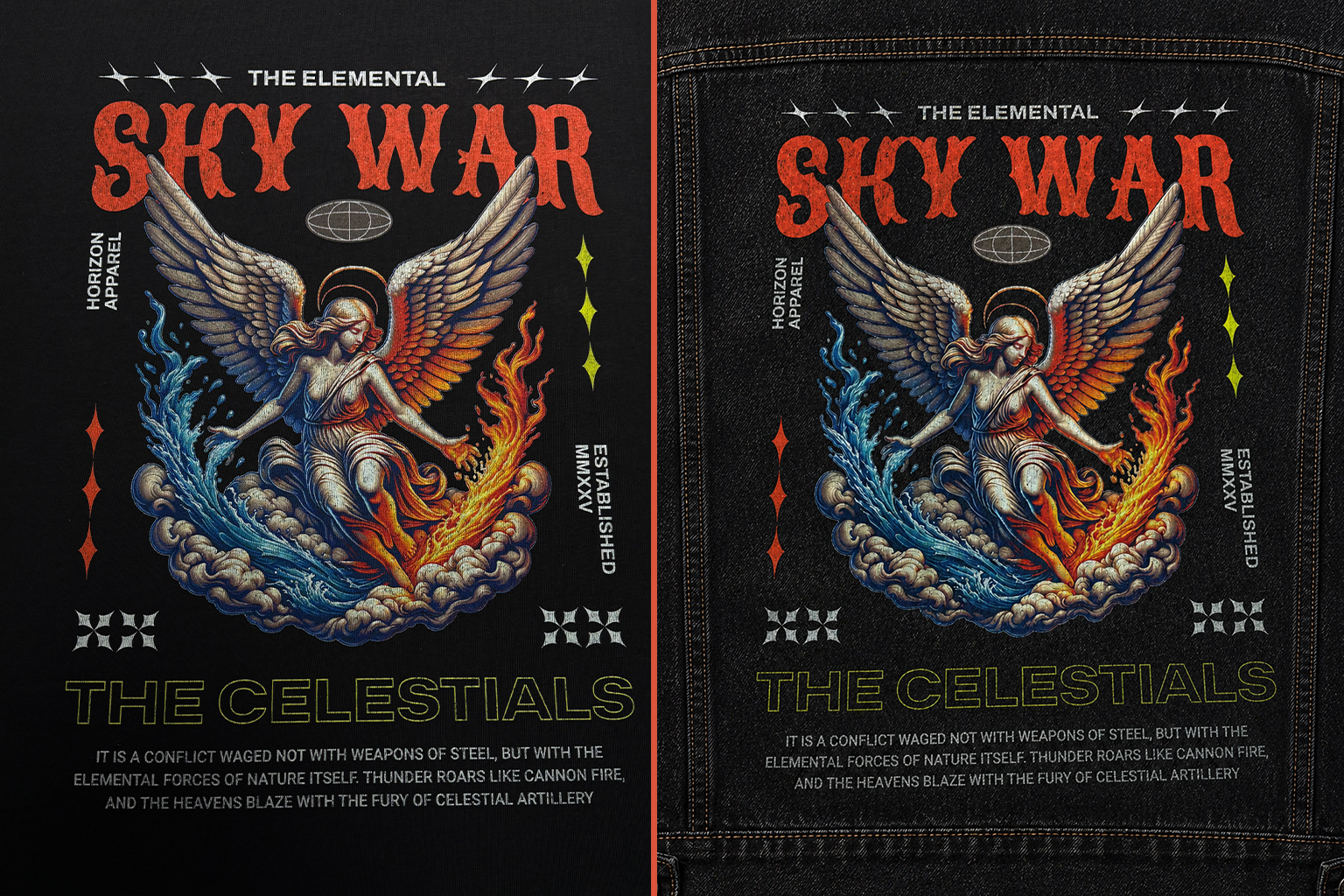
DTF works on almost all fabrics—cotton, polyester, nylon, blends, denim, leather, and stretch fabrics. It enables pre-printed film stock, fast heat-transfer output, and lower consumable costs for medium and large orders. A Fedar DTF printer is well suited to flexible, multi-fabric production, while Fedar sublimation printer and UV DTF printer solutions further expand application possibilities for diversified print businesses.
For small batches, DTG retains an advantage in single-piece workflow. For medium-to-large volumes, DTF delivers higher efficiency and lower unit cost. Many B2B customers are now adopting a dual-track strategy: DTF for mainstream volume and peak-season orders, DTG for premium and urgent single-piece jobs.
Choosing between DTF and DTG depends on order structure, fabric mix, target customers, and capacity planning. Fedar’s digital printing portfolio—including Fedar DTF printer, Fedar sublimation printer, and UV DTF printer—supports printers in building flexible, market-responsive production models.